

2026 has begun with a bang!
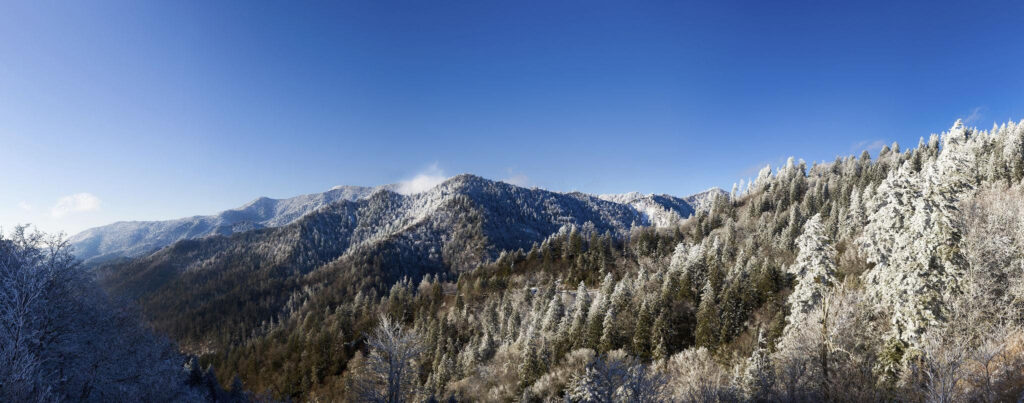
Record snowfalls and freezing temperatures across our corner of the Great Smoky Mountains have made simply navigating nature a daily adventure — yet what a breathtaking adventure it has been!
Snow-capped peaks, especially the majestic Mount LeConte, have offered pristine inspiration that feels almost otherworldly. Icy streams glisten beneath frosted trees, and long icicles hang like crystal chandeliers from waterfalls, inviting you to pause, breathe deeply, and truly soak in the wonder of winter in the Smokies.
Gatlinburg itself saw nearly 14 inches of snow, transforming our mountain town into a postcard-perfect winter retreat. And in the stillness that follows a snowfall, the wildlife seems to come alive in new ways.
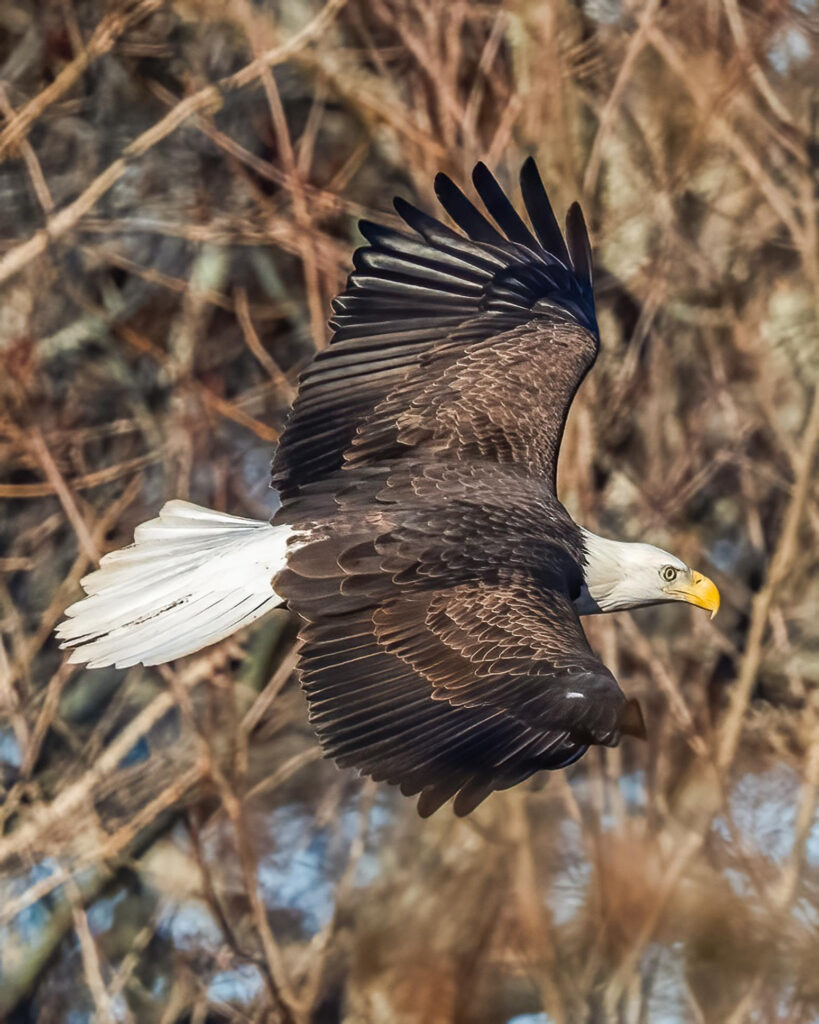
This month brought me one of the most memorable moments I’ve ever experienced here in East Tennessee. While driving along one of our winding backroads, a bald eagle suddenly appeared — flying almost in perfect alignment with my car, skimming the tree line beside me. For nearly half a mile, we traveled together in quiet harmony. Then, as if to punctuate the moment, he gently lifted his wings and began to circle above. I was absolutely breathless. A reminder of just how special it is to call this place home.
Many may not realize that East Tennessee, particularly the high ridges surrounding Douglas Lake, is now home to a thriving bald eagle population. Once nearly wiped out by DDT in the mid-1900s, bald eagles have made an incredible comeback. Check out these statistics:
Key Facts About Our Local Eagles
- Population Surge: From zero nesting pairs in the 1980s to 175+ statewide today, with 30+ active nests in East Tennessee alone
- Nesting Giants: Their nests can reach the size of a pickup truck bed — often growing up to 8 feet tall as pairs return year after year adding sticks
- Prime Viewing Areas: Large bodies of water like Douglas Lake, Chickamauga Lake, and Watts Bar Reservoir
- Egg Season: Late January through February
- Appearance:
- Adults — iconic white head and tail with dark brown body
- Immature birds — mottled brown and white until about age five
- Diet: Mostly fish, but also small mammals and carrion
Best Times to Spot Eagles:
Winter (late October–mid February): Peak migration season
Early Spring (March): Adults feeding nestlings
Our region plays a huge role in protecting these magnificent birds thanks to the incredible work of the American Eagle Foundation. Since 1992, the foundation has released over 180 young bald eagles into the wild — a major contributor to the population rebound we see today.
In partnership with Dollywood, they also operate the remarkable Eagle Mountain Sanctuary in Pigeon Forge — a massive 30,000-square-foot aviary that houses the nation’s largest collection of non-releasable bald eagles. It provides a permanent home for injured birds while educating millions of visitors each year about conservation.
A Beautiful Start to a Promising Year
January reminded us that even when nature challenges us with snowstorms and icy roads, it also rewards us with unmatched beauty, peace, and moments of awe. From the frozen waterfalls of the Smokies to soaring bald eagles over Douglas Lake, East Tennessee continues to offer a lifestyle that blends natural wonder with a strong sense of community. It’s one of the many reasons people are drawn to live, invest, and vacation here year after year.
As we move into 2026, we look forward to another exciting year in the Smoky Mountain real estate market — one shaped not only by numbers and trends, but by the incredible environment that makes this region so special. I am excited to share with you more about how our next season in real estate unfolds over the coming months!